Running a marathon under two hours was once considered a physical impossibility. Then, in 2019, Eliud Kipchoge crossed the finish line in 1:59:40. The feat defied logic—but it didn’t happen by accident. One of the most critical factors? The shoes on his feet. Lighter than a bar of soap, these shoes weren’t just fast—they redefined what was possible.
The shoes in question weighed just 180 grams (6.3 oz) per pair—yes, lighter than the average bar of soap. But their impact was anything but lightweight. This article dives into the science, design, and real-world performance behind the footwear that shattered the marathon barrier.
The Evolution of Marathon Footwear
Before the rise of super shoes, marathon runners prioritized durability, cushioning, and stability. Weight wasn’t irrelevant, but it wasn’t the obsession it is today. Traditional racing flats hovered around 200–230 grams. A 10% reduction seemed unattainable without sacrificing protection.
Then came the convergence of materials science and biomechanics. In the mid-2010s, Nike began experimenting with full-length foam midsoles, carbon fiber propulsion plates, and ultra-light mesh uppers. The goal: reduce energy loss, increase energy return, and minimize weight—all while maintaining structural integrity.
The result was the Nike Vaporfly 4%, introduced in 2017. Independent studies found it reduced energy expenditure by 4% compared to leading competitors. That may sound small, but over 26.2 miles, it translates to roughly 3–4 minutes saved for elite runners.
How "Lighter Than a Bar of Soap" Became a Reality
A standard bar of soap weighs around 100–150 grams. So how did a pair of running shoes end up lighter than that?
Let’s break it down:
- Ultra-thin, engineered mesh upper: Using heat-fused overlays instead of stitched reinforcements cut weight without losing structure.
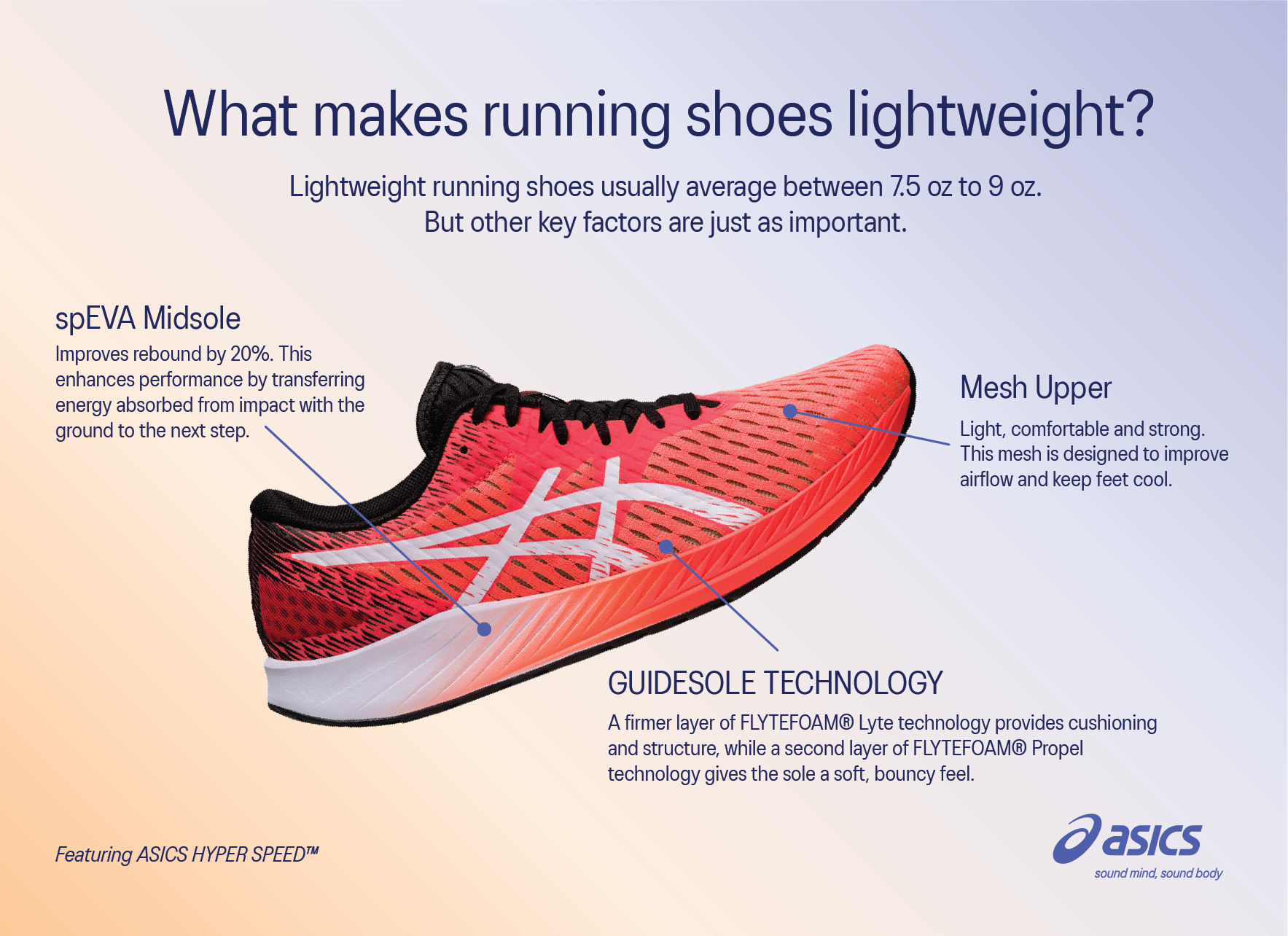
- PEBA-based foam midsole (ZoomX): This material, originally used in high-end sports equipment, offers superior energy return at half the density of traditional EVA foam.
- Full-length carbon fiber plate: Adds stiffness for propulsion but weighs less than 20 grams.
- Minimal rubber outsole: Strategic placement only in high-wear zones reduces material use.
The Vaporfly Next%—worn by Kipchoge during his sub-two attempt—clocked in at 217 grams for a men’s size 9. Later iterations, like the Alphafly, trimmed it further with dual air pods and reduced overlay coverage.
But the real breakthrough wasn’t just weight—it was efficiency. Runners were covering more ground with less effort. The shoes didn’t just feel light; they made runners perform as if they were lighter.
The Science Behind Energy Return and Efficiency
Weight is only one factor. What made these shoes revolutionary was their ability to return energy. Traditional foams compress and lose energy as heat. PEBA-based foams, like ZoomX, rebound with up to 85% energy return.
Combine that with a stiff carbon plate acting like a spring-loaded lever, and each stride becomes more efficient. The plate:
- Reduces ankle flexion
- Encourages a forefoot strike
- Stores and releases energy during toe-off
A 2017 study published in Sports Medicine found that runners wearing Vaporflys used 4–5% less oxygen at race pace than those in conventional shoes. That’s equivalent to being 5–7% more efficient—like getting a free upgrade in engine performance.
But elite runners aren’t the only ones benefiting. Amateur marathoners have seen average time improvements of 2–4 minutes per race wearing the same tech. For a 3-hour marathoner, that’s a six-minute gain—without any change in training.
Controversy: Performance Enhancement or Technological Doping?
Not everyone celebrated the new shoe era. Critics called them “mechanical doping.” World Athletics eventually stepped in, limiting foam thickness to 40mm and restricting the number of embedded plates.
Why? Because the advantage was too significant. One analysis estimated that 75% of all top-10 marathon times since 2018 were set using super shoes. The playing field wasn’t level.
Yet, regulation didn’t stop innovation. Brands like Adidas, Saucony, and New Balance rushed to develop their own carbon-plated, PEBA-foam competitors. The race shifted from if these shoes would dominate to how fast they could evolve.
Still, questions remain. Are we rewarding engineering more than athleticism? Possibly. But as long as the rules are clear, the tools are available to all, and no physiological boundaries are crossed, the debate may be less about fairness and more about the natural progression of sport.
Real-World Impact: Who’s Wearing What?
Elite runners don’t switch shoes lightly. But today, 9 out of 10 marathoners at major races wear some form of super shoe. Here’s a look at the most dominant models and their wearers:
| Shoe Model | Weight (Size 9) | Key Feature | Notable Runner |
|---|---|---|---|
| Nike Alphafly 3 | 188g | Dual air pods, carbon plate | Eliud Kipchoge |
| Adidas Adizero Adios Pro 3 | 215g | Lightstrike Pro foam, 3 rods | Yehualaw Tadesse |
| Saucony Endorphin Pro 4 | 210g | PWRRUN PB, carbon plate | Molly Seidel |
| New Balance FuelCell RC Elite v3 | 202g | FuelCell foam, carbon plate | Hellen Obiri |
| ASICS Metaspeed Sky+ | 205g | FF Turbo foam, carbon plate | Shogo Nakamura |
While Nike still leads in elite adoption, competitors have closed the gap. The Alphafly remains the lightest and most aggressive, but not all runners respond the same way to stiff plates and maximal stack heights.
Some prefer a more natural ride. Others need more midfoot support. The key is matching shoe characteristics to running form, race distance, and personal preference.
Why Weight Alone Doesn’t Win Marathons
It’s tempting to think that “lighter = faster.” But reducing weight without structural support or energy return leads to instability and fatigue.
The best super shoes strike a balance:
- Weight under 220g for men’s size 9
- Stack height between 35–40mm for compliance with regulations
- Midsole geometry that promotes smooth transitions
- Outsole coverage that provides traction without adding bulk
Amateur runners often make the mistake of buying the lightest shoe they can find—only to suffer from blisters, arch strain, or lack of support over long distances. A shoe that’s 20 grams lighter but causes injury isn’t an upgrade.
Instead, think in terms of efficiency per gram. The Vaporfly may not be the absolute lightest, but it delivers the highest return on investment in terms of speed, comfort, and protection.
Training vs. Racing: When to Use Super Shoes
These shoes aren’t built for daily training. With price tags ranging from $200 to $275, they’re an investment. More importantly, their design prioritizes speed over longevity.
Smart runners use them strategically:
- Long tempo runs: To simulate race conditions
- Interval sessions: To enhance turnover and neuromuscular response
- Race day: Peak performance
Using super shoes for recovery runs or base mileage accelerates wear and diminishes their effectiveness. Most elite runners rotate through 2–3 pairs per marathon cycle to ensure they’re fresh on race day.
A practical rule: reserve your lightest, most advanced shoes for efforts at or above marathon pace. Save durable, lower-stack trainers for easy days.
The Future: What’s Next
After “Lighter Than a Bar of Soap”?
Nike’s prototype used in the sub-two attempt included two carbon plates and air-filled pods in the forefoot. It was banned from competition for rule violations—but the innovation didn’t stop.
Future developments may include:
- Adaptive midsoles that stiffen or soften based on pace
- 3D-printed uppers customized to foot shape and pressure points
- Embedded sensors that provide real-time feedback on gait and fatigue
- Bio-based foams to reduce environmental impact
The quest for the next 1% gain continues. But as materials reach theoretical limits, the focus may shift to personalization and integration with training data.
Final Word: Performance Starts at the Ground
The shoes that shattered the marathon record weren’t magic. They were the product of relentless innovation, biomechanical insight, and elite feedback. And yes—they were lighter than a bar of soap.
But their real value wasn’t just in grams saved. It was in the confidence they gave runners, the efficiency they unlocked, and the barrier they helped break.
If you're serious about your marathon time, don’t just train harder—run smarter. Invest in footwear that matches your goals, respect its limitations, and use it strategically. The fastest shoe isn’t always the lightest. It’s the one that helps you move forward with less resistance, mile after mile.
FAQ
Are shoes lighter than a bar of soap durable enough for marathons? Yes, but they’re designed for racing and key workouts, not daily training. Most last 100–150 miles before performance degrades.
What makes these marathon record shoes so fast? A combination of lightweight PEBA foam, carbon fiber plates, and aerodynamic uppers that improve energy return and reduce fatigue.
Can amateur runners benefit from super shoes? Absolutely. Studies show time improvements across all levels, especially for runners averaging under 4 hours.
Why are carbon fiber plates used in these shoes? They act as a lever to reduce muscular effort, improve stride efficiency, and enhance propulsion during toe-off.
Are all super shoes the same? No. Each brand uses different foam compounds, plate shapes, and upper designs. Fit and ride vary significantly.
Do lighter shoes always lead to faster times? Not necessarily. Too light can mean less support. The best shoes balance weight, cushioning, and stability.
Are super shoes allowed in all races? Yes, as long as they comply with World Athletics rules (max 40mm stack height, one rigid plate).
FAQ
What should you look for in Lighter Than a Bar of Soap: The Shoes That Broke the Marathon Record? Focus on relevance, practical value, and how well the solution matches real user intent.
Is Lighter Than a Bar of Soap: The Shoes That Broke the Marathon Record suitable for beginners? That depends on the workflow, but a clear step-by-step approach usually makes it easier to start.
How do you compare options around Lighter Than a Bar of Soap: The Shoes That Broke the Marathon Record? Compare features, trust signals, limitations, pricing, and ease of implementation.
What mistakes should you avoid? Avoid generic choices, weak validation, and decisions based only on marketing claims.
What is the next best step? Shortlist the most relevant options, validate them quickly, and refine from real-world results.