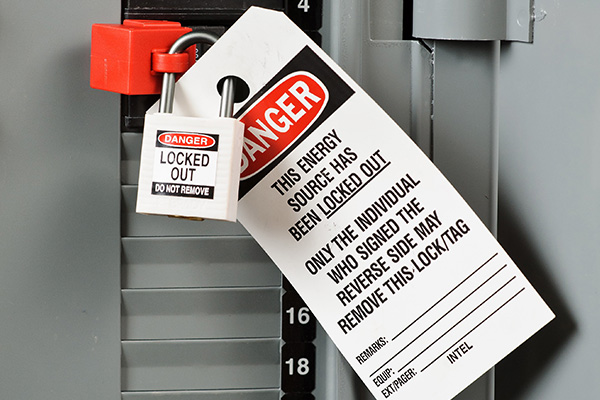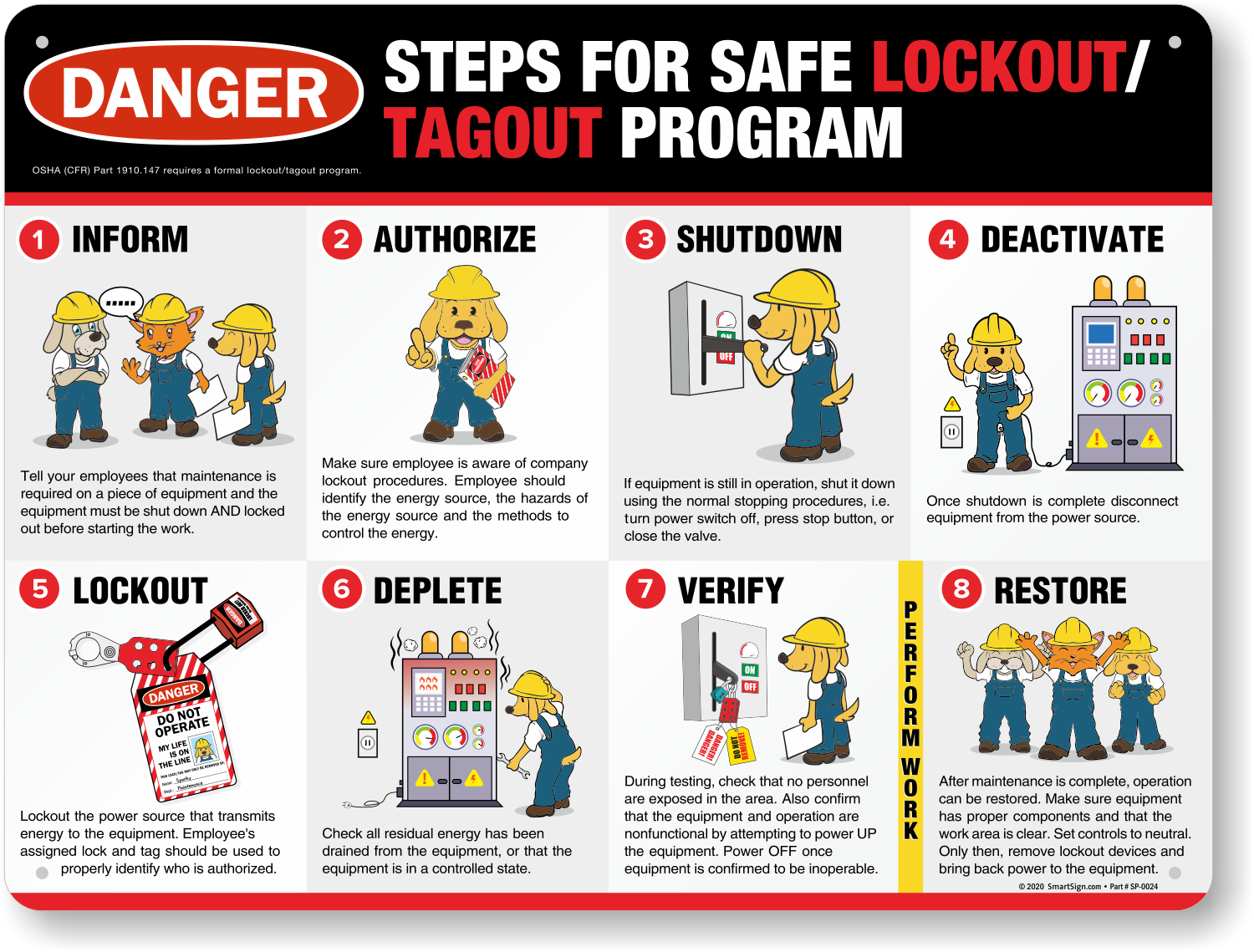
Every year, hundreds of workers suffer severe injuries—or worse—because machinery was accidentally energized during maintenance. These incidents aren’t just tragic; they’re preventable. At the heart of every effective energy control program lies a simple yet crucial tool: the lockout tagout safety video.
These videos don’t just check an OSHA compliance box—they change behavior. They turn abstract procedures into real-world visuals, making it easier for employees to understand, remember, and apply lockout tagout (LOTO) protocols exactly when it matters most.
Why a Lockout Tagout Safety Video Beats Paper-Based Training
Reading a 20-page manual on energy isolation won’t stick the way a well-produced safety video does. Human brains are wired to retain visual and auditory information better than text. A study by the University of Wisconsin found that learners retain up to 65% of visual content after three days, compared to just 10% from text alone.
But beyond cognitive science, there’s a practical truth: workers on the floor don’t have time to decode complicated procedures. They need clarity, simplicity, and context.
A lockout tagout safety video delivers that by showing: - Exactly how to shut down a hydraulic press - Where to place locks and tags - What a properly isolated circuit looks like - The consequences of skipping steps
Imagine a maintenance technician watching a 5-minute segment showing a real-life near-miss—a worker bypassing lockout, reaching into a conveyor belt, and nearly losing a hand when the system restarts remotely. That visceral moment does more than a dozen safety memos ever could.
What Makes a Lockout Tagout Safety Video Effective?
Not all training videos are created equal. A poorly produced LOTO video—low-quality footage, unclear narration, generic visuals—can do more harm than good by reinforcing confusion or complacency.
An effective lockout tagout safety video must be:
1. Facility-Specific When Possible Generic content has its place, but nothing beats a video filmed on-site, using actual equipment. Workers recognize their own machines, control panels, and lockout points. This reduces ambiguity and increases accountability.
Example: A plant in Ohio reduced LOTO errors by 72% within six months of introducing equipment-specific videos shot in their facility.
2. Narrated with Clear, Plain Language No jargon. No passive voice. The narration should sound like a seasoned supervisor walking a new hire through the steps: “First, hit the emergency stop. Second, isolate the main power valve. Third, apply your personal lock.”
3. Include Real Consequences and Close Calls Fear isn’t the goal—but respect for the hazard is. Showing real accident footage (with permission and sensitivity) or dramatized recreations of incidents helps workers internalize risk.
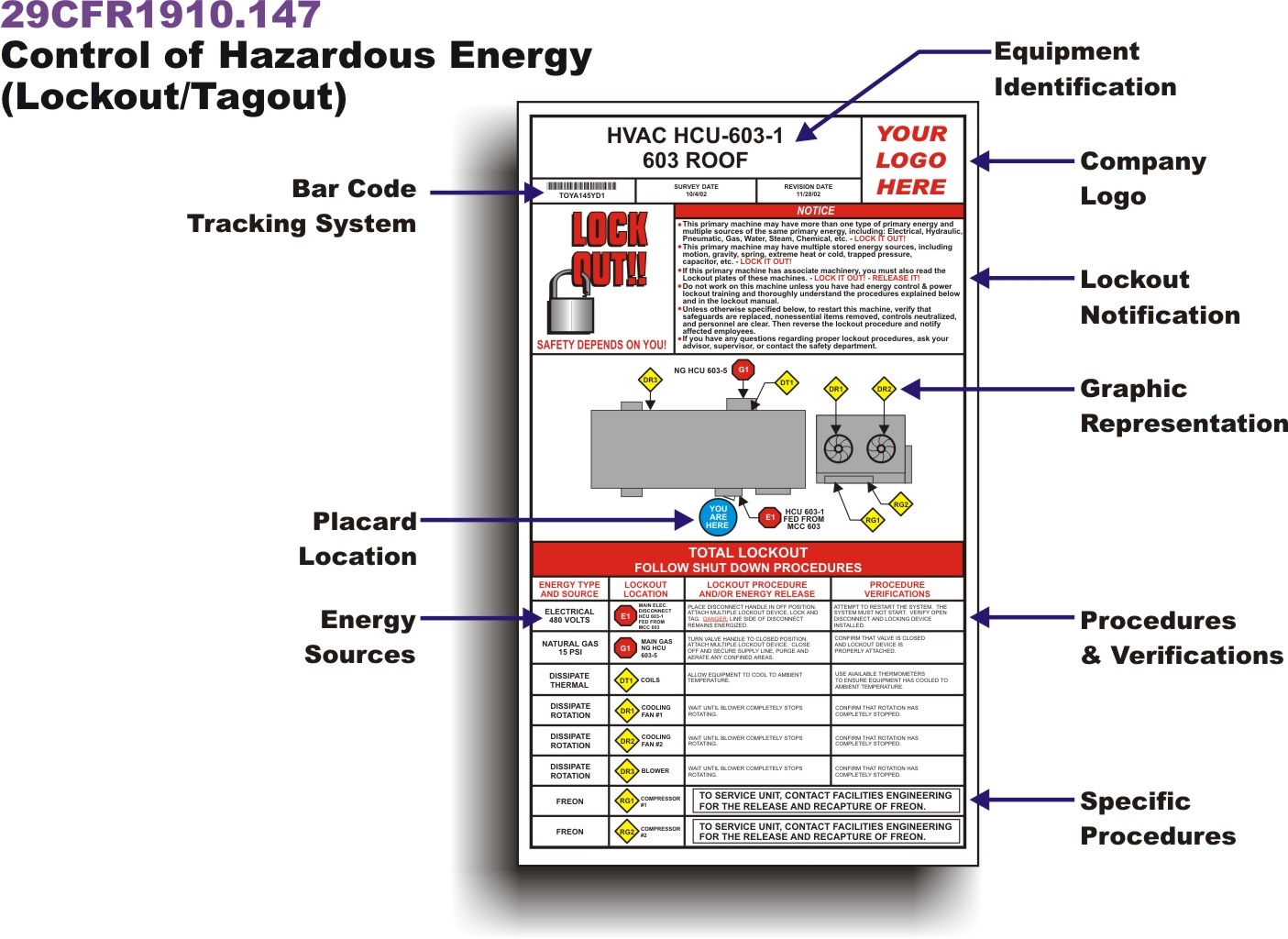
4. Demonstrate Both Correct and Incorrect Procedures Show someone doing it right—then someone making a common mistake, like using a buddy’s lock or failing to verify de-energization. Follow up with why it’s dangerous and what should’ve been done.
5. Mobile-Friendly and Accessible Workers shouldn’t need to sit at a desktop to review procedures. The best LOTO safety videos are hosted on platforms accessible via tablet or smartphone, even offline in low-signal areas.
How to Integrate LOTO Videos Into Your Safety Workflow
A video sitting on a server does nothing. To drive real change, it must be embedded into daily operations.
Pre-Shift Briefings Start each shift with a 3-minute video snippet—rotate through different machines weekly. Reinforces memory without disrupting workflow.
Onboarding New Hires Pair the video with a hands-on demonstration. Ask the new technician to repeat the steps they saw, then perform them under supervision.
Refresher Training Cycles OSHA doesn’t specify video use, but it does require annual retraining. Use updated LOTO safety videos every 12 months to keep content fresh and compliance documented.
Incident Response Follow-Up
After a near-miss or deviation, pull up the relevant video segment during the investigation meeting. Use it to retrain the team and reinforce standards.
Pro Tip: Add timestamps to your videos (e.g., “0:45 – Isolating the Main Power Source”) so supervisors can jump to specific sections during toolbox talks.
Top 5 Lockout Tagout Safety Video Providers For companies without in-house production, third-party providers offer high-quality, OSHA-aligned training videos. Here are five trusted options:
| Provider | Key Features | Best For |
|---|---|---|
| Pure Safety (by Brady) | Equipment-specific modules, multilingual support, SCORM-compliant | Large manufacturers with global teams |
| J. J. Keller | Real-world scenarios, regulatory updates, mobile access | Companies needing OSHA-compliant content |
| PureSafetyTV | Short-form videos (2–5 mins), microlearning approach | Fast-paced environments, shift changes |
| Safety Unlimited | Custom video production, on-site filming, train-the-trainer kits | Facilities wanting tailored content |
| Edwards Creative Training | Story-driven, emotional impact, accident recreations | Driving behavior change and engagement |
Each of these providers offers downloadable certificates, quizzes, and tracking tools—critical for audit readiness.
Common Mistakes in LOTO Video Implementation
Even with the best content, companies fail by skipping key steps:
- One-and-done viewing: Showing the video once during onboarding and never again. LOTO procedures degrade without reinforcement.
- No verification step: Not requiring employees to demonstrate understanding after watching.
- Ignoring language barriers: Failing to provide subtitles or dubbed versions in native languages.
- Using outdated footage: Upgrading machinery but keeping old videos creates confusion.
- No feedback loop: Not asking workers what’s unclear or missing from the training.
Real Case: A food processing plant introduced LOTO videos but saw no drop in incidents—until they added a 3-question quiz after each session. Compliance jumped from 41% to 89% in two months.
OSHA Requirements and How Videos Support Compliance
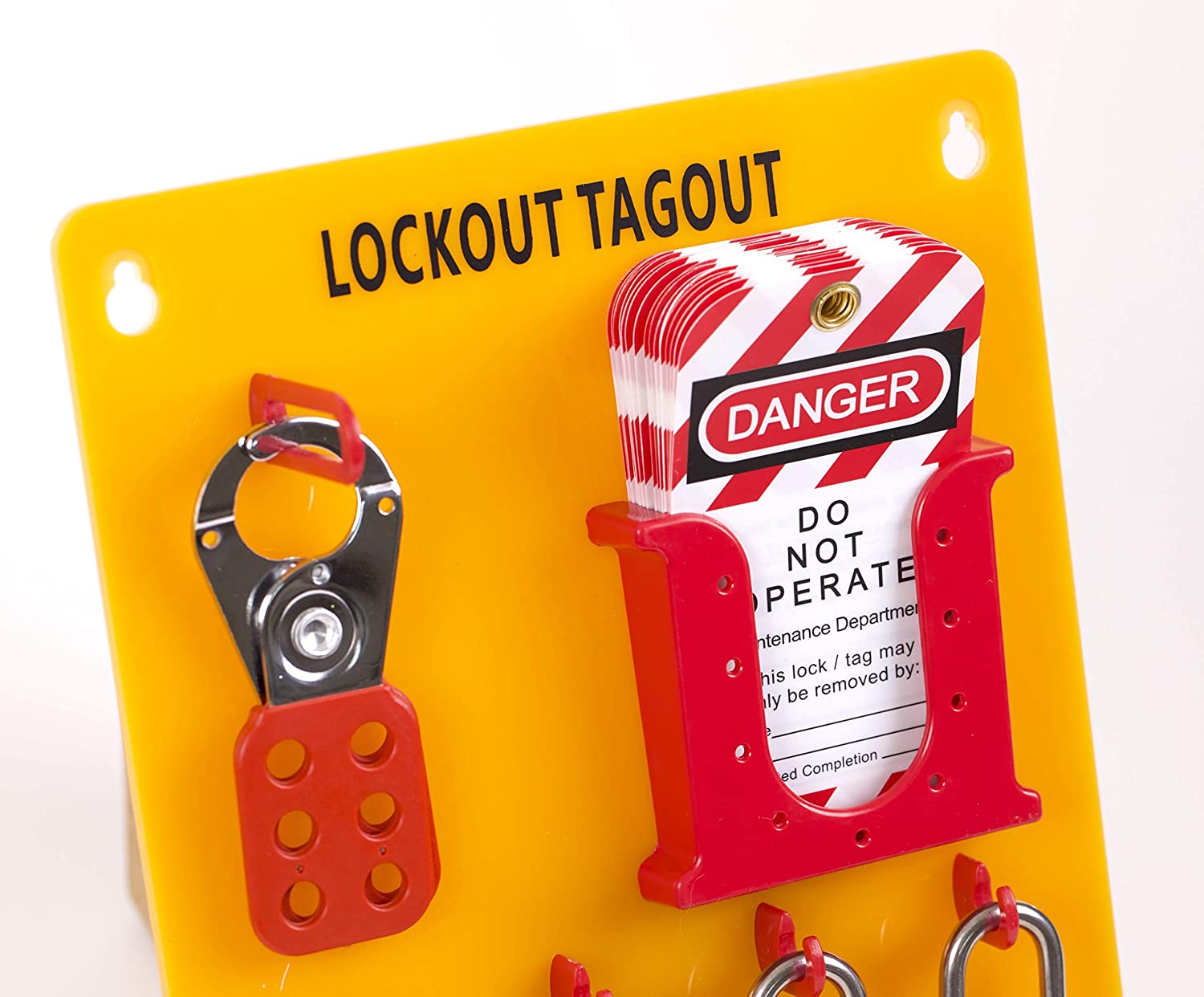
OSHA 29 CFR 1910.147 mandates that employers implement a written energy control program, including training and periodic inspections. While it doesn’t require video specifically, it does require that training be “understandable” and “verifiable.”
A lockout tagout safety video meets both criteria: - Understandable: Visuals + narration break down complex processes. - Verifiable: Viewership logs, quiz scores, and completion timestamps create an audit trail.
Additionally, during inspections, showing OSHA that you use video-based training demonstrates a proactive, modern approach to safety—something that can reduce penalties in the event of a citation.
Measuring the Impact of Your LOTO Safety Video Don’t assume training is working—measure it.
Use these KPIs: - Reduction in LOTO violations during audits - Drop in maintenance-related incidents - Training completion rates - Employee confidence scores (via anonymous surveys)
One automotive supplier tied their video rollout to a 60% drop in LOTO audit findings in six months. They also saw fewer “I didn’t know” excuses during corrective actions.
Insight: Pair video training with hands-on assessments. Watching isn’t enough—workers must prove competence.
The Bottom Line: Video Isn’t Optional—It’s Essential
Lockout tagout safety isn’t about paperwork or policy alone. It’s about preventing real people from being crushed, burned, or electrocuted by machines that should have been de-energized.
A lockout tagout safety video is not a luxury—it’s a frontline defense. It transforms abstract rules into actionable knowledge. It creates consistency across shifts, languages, and locations. And most importantly, it saves lives.
If your LOTO program still relies only on binders and bulletins, you’re operating with outdated tools. Invest in a high-quality, engaging, and repeatable video training system. Roll it out. Reinforce it. Audit it.
Because when a machine powers on unexpectedly, it won’t matter how many memos were sent—it’ll only matter what people saw, remembered, and did.
FAQ
Why do we need a lockout tagout safety video if we already have written procedures? Written procedures are essential, but videos improve comprehension and retention. They show real actions in context, reducing misinterpretation.
Can a lockout tagout safety video replace hands-on training? No. Videos should be paired with practical demonstrations and verification to ensure competency.
How often should employees watch the LOTO safety video? At minimum, annually for refresher training. More frequent viewing—like quarterly or pre-shift—is even better for retention.
Are there free lockout tagout safety videos available? Yes, OSHA and some safety organizations offer free videos, but they’re often generic. Facility-specific content yields better results.
Can we create our own LOTO safety video in-house? Absolutely. Many companies film their own using smartphones and basic editing tools. Focus on clarity, real equipment, and correct procedures.
Do LOTO videos need subtitles? Yes, especially in multilingual workplaces. Subtitles improve accessibility and comprehension.
What should be included in a lockout tagout safety video? Key steps: shutdown, isolation, lock/tag application, verification, and removal. Also include common mistakes and consequences.
FAQ
What should you look for in Lockout Tagout Safety Video Essentials for Compliance? Focus on relevance, practical value, and how well the solution matches real user intent.
Is Lockout Tagout Safety Video Essentials for Compliance suitable for beginners? That depends on the workflow, but a clear step-by-step approach usually makes it easier to start.
How do you compare options around Lockout Tagout Safety Video Essentials for Compliance? Compare features, trust signals, limitations, pricing, and ease of implementation.
What mistakes should you avoid? Avoid generic choices, weak validation, and decisions based only on marketing claims.
What is the next best step? Shortlist the most relevant options, validate them quickly, and refine from real-world results.